

The Corner Store and the Home Office: A Look at Commercial and Mixed-Use Zoning in Savannah’s Neighborhoods
Picture this: You step out of your historic townhome, the warm Georgia air hinting at the day ahead. A short, pleasant stroll under a canopy of live oaks takes you to a charming corner café for your morning coffee. Later, you settle into your sunlit home office to run your creative business, the quiet hum of the neighborhood your only soundtrack. This idyllic lifestyle isn’t a happy accident or a stroke of luck; it’s by design.

The invisible force shaping this coveted way of life is municipal zoning. Think of it as the city’s rulebook, the blueprint that determines whether your street is a quiet residential haven, a bustling commercial district, or the perfect, walkable blend of both. For today’s savvy home buyer and seller, understanding this rulebook is no longer optional—it’s critical. Zoning impacts everything from your daily convenience and long-term property value to your fundamental ability to work from home.
Navigating this complex world is where true expertise shines. As a team of dedicated Georgia real estate experts, we’ve seen firsthand how a deep understanding of these nuances can make or break a deal. While today we’re taking a deep dive into the beautiful, intricate zoning of Savannah, this level of in-depth knowledge is precisely what sets the top Realtors in Atlanta apart. Whether you’re buying a piece of history in Savannah or selling a modern classic in the heart of Atlanta, knowing the code is key.
Key Takeaways
- Zoning is Your Property’s DNA: It dictates what can be built around you and what you can do with your property, directly influencing its current and future value.
- Mixed-Use is the Magic Formula: Neighborhoods that intentionally blend residential, commercial, and office spaces—like many in historic Savannah—create the highly desirable walkable, community-focused lifestyle many buyers seek.
- The Home Office Isn’t a Given: The rise of remote work has made home office regulations a critical factor. Zoning laws determine if you can legally operate a business from your residence, and the rules can be surprisingly specific.
- Expert Guidance is Non-Negotiable: A top-tier Realtor acts as a strategist, analyzing zoning maps to protect your investment, identify hidden opportunities, and ensure a property truly aligns with your lifestyle goals.
Zoning 101: Why These Codes Matter for Your Bottom Line and Lifestyle
Before we walk through Savannah’s charming streets, let’s get the basics down. Think of zoning codes as the grammar of a city. You might not notice them when they’re working well, but when they’re wrong, everything feels off.
Decoding the Language: Commercial, Residential, and Mixed-Use
At its core, zoning separates a city into different districts or “zones” for various uses. Here are the three main players you’ll encounter:
-
Residential Zoning: This is the most straightforward. It’s where homes are built. The primary purpose of residential zoning is to protect the peace, safety, and character of a neighborhood by keeping incompatible activities (like a noisy factory or a 24-hour convenience store) at a distance. These zones are often further broken down by density, like single-family homes (R-1) versus multi-family apartment buildings.
-
Commercial Zoning: This is where business happens. But not all commercial zones are created equal. A “Neighborhood Commercial” (NC) designation might allow for small-scale businesses like cafes, boutiques, and offices that serve the immediate community. In contrast, a “Heavy Commercial” or “Industrial” zone is designated for warehouses, manufacturing, and large-scale retail. As a home buyer, knowing the difference between the commercial zone next door is crucial—one means walking to get ice cream, the other could mean listening to loading docks all night.
-
Mixed-Use Zoning: This is the sweet spot, and it’s the secret sauce behind so many of America’s most beloved neighborhoods. Mixed-use zoning intentionally blends residential, commercial, and office spaces within the same area or even the same building. The goal is to create vibrant, walkable communities where residents can live, work, and play without constantly relying on a car. This is the foundation of the “corner store” lifestyle.

How Zoning Directly Affects You as a Buyer or Seller
Understanding these categories isn’t just an academic exercise; it has real-world consequences for your wallet and your happiness.
-
For the Home Buyer: When you’re deciding between renting or buying, zoning should be a major factor in your calculation. It determines the future of your chosen neighborhood. Is that empty lot down the street zoned for a park or a parking lot? Can you find a home where you can walk to dinner and a movie? A property’s zoning is a preview of its future. We’ll show you how to read the signs.
-
For the Home Seller: Your property’s zoning can be a massive selling point. When you’re preparing for a home sale, highlighting its proximity to a desirable neighborhood commercial district or its potential for a home office can attract a wider pool of buyers and command a higher price. It’s a key piece of the marketing puzzle that can prevent your house from being one that just won’t sell.
A Look at Savannah’s Neighborhoods: A Masterclass in Zoning
There’s a reason people are drawn to Savannah. Its character isn’t just in the architecture; it’s in the very layout of the city. The way a coffee shop can sit comfortably next to a row of historic homes is a masterclass in effective, human-centric urban planning.
The Historic “Corner Store” Model: Savannah’s Mixed-Use Charm
Long before “mixed-use” became a trendy buzzword, Savannah was living it. The city’s famed historic districts, from the iconic Victorian District to the artsy Starland District, are prime examples of classic mixed-use design. General James Oglethorpe’s original plan for the city, with its repeating pattern of public squares flanked by residential and civic lots, was inherently designed for walkability and community interaction.
The benefits of this model are clear and are a major driver of the city’s changing home prices and character:
- Enhanced Walkability: Residents can accomplish daily errands on foot, fostering a healthier lifestyle and reducing traffic.
- Strong Community Feel: When you regularly encounter your neighbors at the local bakery or park, it builds a powerful sense of community.
- Support for Local Businesses: These neighborhoods create a built-in customer base for small, independent shops, which in turn contributes to the unique character of the area.
This historic charm is a major consideration for those thinking about where to retire, often putting Savannah in the running against other coastal gems.
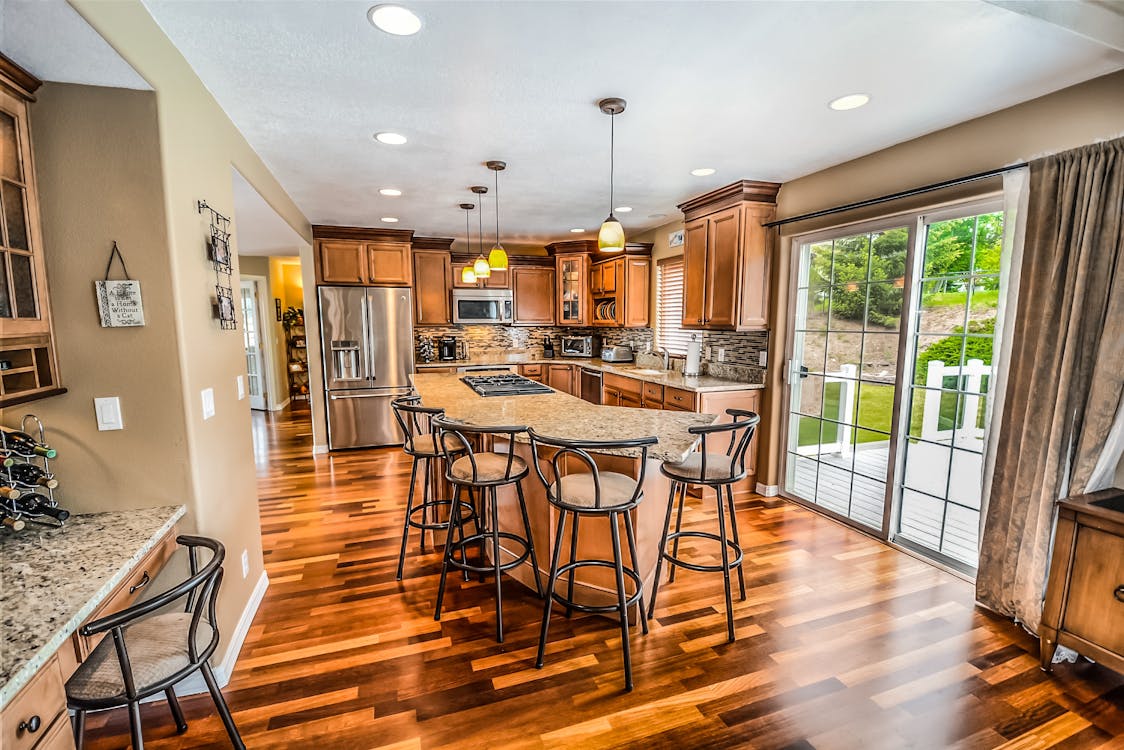
The Modern “Home Office”: Navigating Work-from-Home Rules
In our post-2020 world, the question “Can I legally run my business from this home?” has become a top priority for countless buyers. The answer, of course, lies in the zoning code.
Generally, most residential zones in places like Savannah allow for some form of “home occupation.” This typically means a business that doesn’t fundamentally change the residential character of the home. Think writers, consultants, or software developers. However, the rules can get tricky. Things that often raise red flags for zoning officials include:
- Having employees who work on-site.
- Significant client traffic or deliveries.
- Exterior signage.
- Using more than a certain percentage of your home’s square footage for the business.
This is where a knowledgeable Realtor is absolutely essential. They can help you investigate the specific ordinances for a property before you make an offer, preventing a costly and frustrating mistake. Understanding the fine print of Savannah’s planning and zoning can unlock your home’s full potential.
Red Flags and Green Lights: What to Look for in a Zoning Map
You don’t have to be a city planner to get a basic read on a neighborhood’s future. Most municipalities, including Savannah and Chatham County, have online zoning maps available to the public. Here’s what to look for:
- Green Light: A residential property that borders a “Neighborhood Commercial” or “Office & Institutional” zone. This often means you’re just a short walk from convenient amenities that can boost your quality of life and property value.
- Red Flag: A home you love that backs up to a large, undeveloped parcel zoned for “Heavy Commercial” or “Industrial.” That peaceful backyard could one day overlook a distribution center.
- The Opportunity: Look for zones that allow for Accessory Dwelling Units (ADUs), sometimes called carriage houses or in-law suites. An ADU can provide rental income or flexible space for family, representing a significant value-add.
From Savannah to Atlanta: Why Zoning Expertise is Your Realtor’s Superpower
The lessons learned from Savannah’s brilliant urban fabric aren’t confined to the coast. The principles of walkability, community, and smart growth are universal, and they are reshaping real estate markets across Georgia.
Connecting the Dots: Walkable Lifestyles in Georgia’s Top Markets
The same desire for a “corner store” lifestyle that makes Savannah’s Starland District so popular is what drives demand in Atlanta’s most sought-after neighborhoods. The vibrant, mixed-use energy you feel in Savannah is mirrored in Atlanta’s Virginia-Highland, with its bungalows and bustling strip of shops and restaurants, or Inman Park, where residents can hop directly onto the BeltLine for a walk to Krog Street Market.
In fact, the BeltLine’s expansion is fundamentally reshaping property values precisely because it introduces connectivity and walkability—the core tenets of mixed-use design—to new areas. This demonstrates a key truth: understanding the deep-seated appeal of a well-zoned neighborhood in one market provides the exact expertise needed to identify winning properties in another.
The Expert Advantage You Need
This is where the difference between a real estate agent and a real estate strategist becomes crystal clear. A top agent doesn’t just unlock doors; they analyze the underlying data that governs a property’s potential. They are your guide to the world of Atlanta real estate.
An expert with deep zoning knowledge can:
- Protect Your Investment: By identifying potential zoning changes or nearby developments that could negatively impact your property’s value.
- Uncover Hidden Gems: They can spot a property in a transitioning area zoned for future mixed-use development, representing a fantastic growth opportunity.
- Match Lifestyle to Location: They go beyond the number of bedrooms and bathrooms to find a home that truly fits how you want to live, whether that’s a quiet cul-de-sac or a vibrant live/work/play community.
Your Next Move: Partner with a Georgia Real Estate Strategist
Whether you’re captivated by the historic charm of Savannah or the dynamic energy of Atlanta, the path to your perfect property runs directly through the local zoning office. Navigating it alone can be daunting, but with the right partner, it becomes a strategic advantage.
For Buyers Looking for the Perfect Lifestyle
Your dream of a walkable community, a perfect live/work space, or a quiet retreat is absolutely achievable. But it requires an expert who can look past the fresh paint and see the property’s DNA—its zoning. They can translate your lifestyle goals into a targeted search that saves you time and protects your future investment.
Whether you’re exploring Savannah or ready to find your ideal neighborhood in Atlanta, our team has the deep market and zoning knowledge to guide you. [Contact Us to Start Your Atlanta Home Search]
For Sellers Ready to Maximize Their Return
Don’t leave money on the table. The unique locational and zoning advantages of your home are powerful marketing tools, but only if you know how to use them. We understand how to frame your property’s proximity to amenities or its home-office potential to attract the right buyers who are willing to pay a premium for the lifestyle you’re offering.
Let us show you how your home’s place in the neighborhood can become its biggest selling point. [Get Your Free Atlanta Home Valuation Today]


